
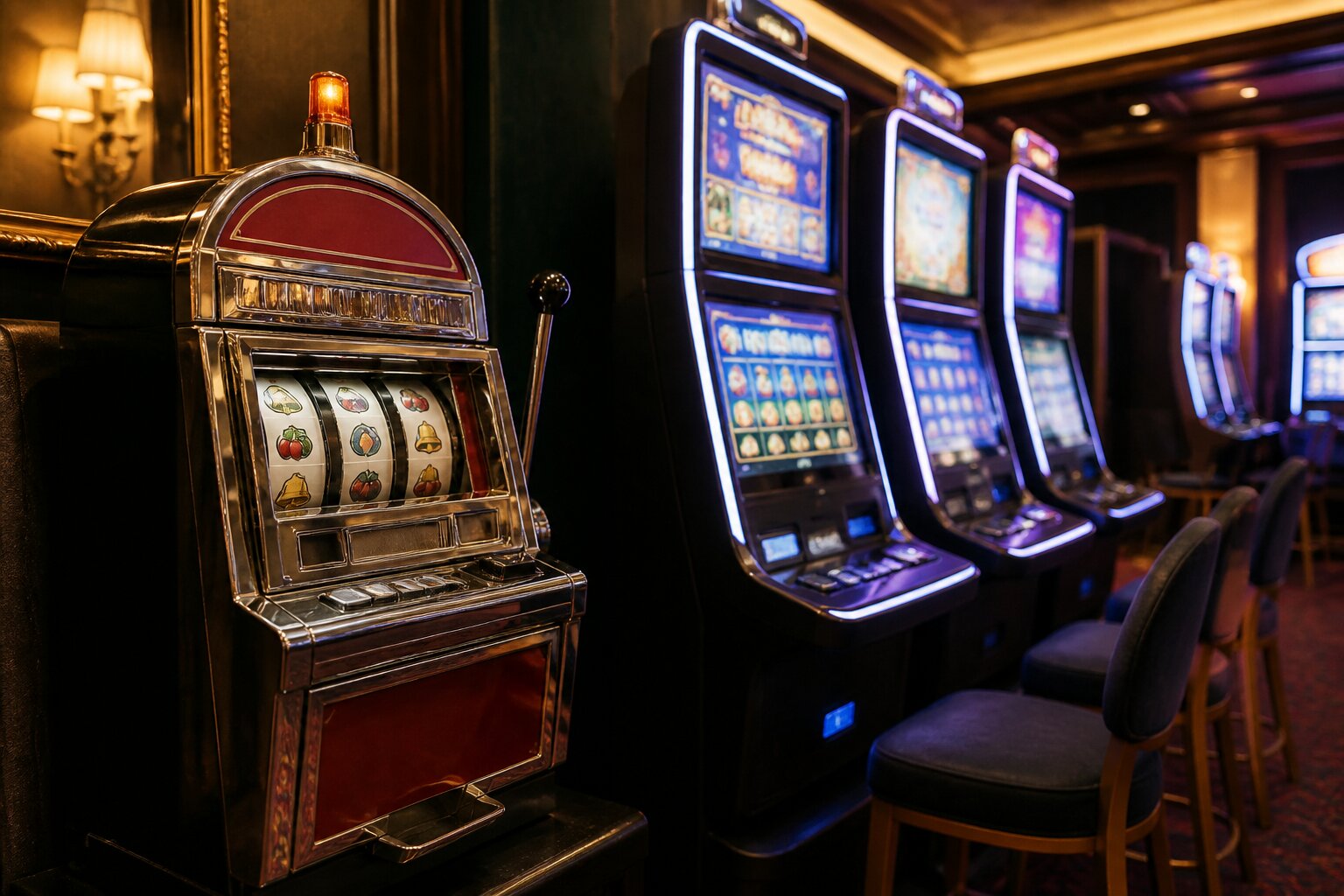
Have you ever wondered if those old-school fruit machines really outshine the latest high-tech slots? With flashing lights and big bonuses popping up everywhere, it can be hard to know which style offers the best experience.
Some players swear by the simplicity and charm of classic slots, while others are drawn to modern games filled with features and large jackpots. In this post we’ll examine what makes both classic and modern slots appealing, and help you decide which suits you best.
Ready to spin back in time and see what today’s slots have to offer? Let’s get started.
Classic Slot Machines: What Makes Them Appealing?
Classic slot machines are built around straightforward gameplay and familiar symbols. Their biggest draw is simplicity: with a handful of symbols—cherries, bars and sevens—and a limited number of paylines, the rules are easy to grasp. That pared-back design is attractive for anyone who prefers a direct playing experience without frequent interruptions from bonus rounds or complex mechanics.
There’s a clear sensory element to classic machines as well. The spinning reels, flashing lights and mechanical sounds echo the pub and arcade machines many people remember, and that sense of nostalgia can make play feel comforting and familiar. But the appeal isn’t just sentimental: the predictable structure lets players understand outcomes quickly and focus on the moment-to-moment experience rather than navigating menus or bonus layers.
Classic slots tend to offer modest, regular wins rather than large infrequent payouts. That steadier pattern of returns suits players who value ongoing activity over occasional big events. If you like the idea of a simple, dependable game that’s easy to pick up, classic slots deliver that. Up next, we’ll look at how modern designs contrast with this simplicity and what they bring to the table.
Modern Slots Explained: Features & Innovations
Modern slots use current technology to create richly themed games with detailed graphics, soundtracks and narratives. Designers can base a game on anything from historical settings to popular culture, and the result is often an immersive presentation that makes each title feel distinct.
Beyond aesthetics, modern slots are notable for the range of gameplay features they offer. Multiple paylines, wilds, scatters, multipliers and interactive bonus rounds add layers of variety. Some games include cascading reels or expanding symbols that change how the reels behave, so a single title can provide several different ways for outcomes to be created. These mechanics increase the potential for larger, less frequent wins and give players more to explore during a session.
Technology also allows for clearer presentation of each game’s rules and payout table, which makes it easier to understand how features interact. Modern titles often display an RTP figure and volatility indicators so players can compare options and choose a game that fits their preferences. With that groundwork in place, it’s useful to consider how these design differences affect payouts and long-term returns.
Which Offers Better Payouts: Classic or Modern Slots?
Deciding which style pays better depends on a few technical factors rather than the age of the game. Two of the most important are RTP and volatility, which determine expected returns and the pattern of wins. The visual style or nostalgia of a title does not by itself change the maths behind payouts, so it helps to focus on those underlying measures when comparing options.
RTP and Volatility Differences
RTP (Return to Player) is the percentage of stakes a game pays back over a very long period. Both classic and modern slots can offer similar RTPs, although individual titles vary. What differs more noticeably is how wins are distributed across play. Classic titles often show lower volatility, meaning wins occur more frequently but tend to be smaller in value. This can make sessions feel steadier with a longer run of modest returns.
Many modern games exhibit higher volatility, where wins are less frequent but can be substantially larger when they do appear. That means a player may go through longer dry spells before hitting a big payout. The RTP gives a general expectation for return over many spins, while volatility shapes the short to medium term experience and how bankrolls fluctuate during play.
RTP is typically expressed as a percentage and calculated over millions of spins, so short play sessions will often deviate from that figure. Volatility, which is sometimes called variance, is less straightforward to quantify from published information, but developers and review sites will usually indicate whether a slot leans towards low, medium or high volatility.
Jackpots and Bonus Features Compared
Classic slots typically stick to fixed jackpots and straightforward payouts based on simple symbol combinations. Their appeal often lies in clarity and predictability, with fewer moving parts affecting the potential return.
Modern slots are more likely to include progressive jackpots, bonus rounds and a range of special features that can lead to larger payouts, though with greater unpredictability. Progressive jackpots pool a portion of stakes across many machines or sites, which can create very large top prizes but also reduce the likelihood of winning them. Free spins, multipliers and cascading reels add layers to how wins are achieved and can amplify payouts when they trigger.
Those extras can be appealing if you enjoy the potential for bigger returns, but they also change how often you will see wins and how much of your session is spent pursuing bonus outcomes. Taken together, RTP, volatility and the presence of extras like progressives or bonus games are the practical factors that determine which slots will suit a player’s goals and preferred pace of play. With those differences in mind, the next section looks at how these choices affect the overall player experience.
Player Experience: Nostalgia vs Entertainment Value
The experience of playing slots is shaped by personal preference. Classic machines deliver a calm, familiar rhythm that many players find relaxing and easy to follow. The simplicity makes it straightforward to focus on each spin, and the consistent payout pattern can feel steady and predictable.
Modern slots trade that simplicity for variety and spectacle. The interplay of animated sequences, themed challenges and bonus mechanics keeps sessions feeling novel; each game can offer a different mood or style. For players who enjoy discovery and frequent changes in pace, contemporary titles provide sustained engagement.
Either approach can be enjoyable, depending on what you want from a session: the steady familiarity of a classic or the shifting entertainment of a modern game. Next, we’ll consider whether newer titles also change the picture on security and fairness.
Are Modern Slots More Secure and Fair?
All regulated slot machines must meet strict standards to ensure outcomes are unbiased and games operate as described. Independent testing verifies that random number generation and payout behaviour conform to those standards, so older and newer games alike are subject to the same scrutiny.
Modern technology adds convenience in how fairness information is presented—return-to-player figures and certification details are often displayed within the game or on the operator’s site—but that doesn’t mean newer games are inherently safer. The regulatory checks apply across the board, and both classic and modern titles are designed to meet the same requirements for integrity.
Knowing a game’s RTP and that it has been independently tested allows players to choose with confidence. With that assurance in place, it’s worth addressing some persistent misunderstandings about how these machines actually work.
Common Myths About Slot Machines Debunked
A few misconceptions about slots persist, and clearing them up helps set realistic expectations. One myth is that machines pay out on patterns or are “due” to give a win; in regulated games each outcome is independent, so there is no reliable timing or sequence that makes a payout more likely. Another idea is that changing the bet size or playing at a particular time of day alters odds—game mechanics do not allow this; bets affect the amount won when a winning combination occurs, not the probability of that event.
Players sometimes attribute outcomes to how “hot” or “cold” a machine is, but testing and regulation prevent machines from operating in cycles that favour or penalise players over time. These myths typically arise from anecdote rather than how the underlying systems function. With clear facts in mind, choosing a suitable game becomes a matter of personal taste and practical considerations, which is what the next section covers.
Choosing the Right Slot for You: What Should You Consider?
Selecting a slot comes down to matching the game to your preferences and practical needs. Think about the visual style and pacing you enjoy: do you prefer simple reels and quick spins, or do you want a themed game with scenes and bonus mechanics that extend play? Consider stake size and session length too—pick games where the minimum and maximum bets align with the amount you plan to spend and the time you want to play.
Check each game’s RTP and volatility to see whether it fits your appetite for frequent smaller wins or rarer larger ones. Look for clear information about how features work so you know what to expect from bonus rounds and special symbols. If you want support managing play, many regulated operators provide tools such as deposit limits and time reminders; using these features can help keep sessions within your comfort zone.
Ultimately, the best choice is the one that fits your style, budget and available time. Play with an awareness of what the game offers, and you’re more likely to enjoy the experience.
**The information provided in this blog is intended for educational purposes and should not be construed as betting advice or a guarantee of success. Always gamble responsibly.