
Ever found yourself watching the roulette wheel spin and wondering if there’s a secret behind those red and black streaks? Many players notice repeating numbers or surprising runs and start to wonder whether those streaks reveal anything useful.
Roulette has inspired countless theories and betting strategies over the years. In this article we’ll explain the patterns people watch for, show what they do — and don’t — reveal about future spins, and help you decide how to use that information, if at all.
Curious about what patterns can tell you? Read on to separate myth from fact and to understand what’s actually happening on the wheel.
What Are Roulette Patterns & Why Do Players Look For Them?
Roulette patterns are the streaks, sequences or trends players spot while watching outcomes: several reds in a row, numbers repeating, or long runs of odd or even results. Some players keep scorecards to spot so-called “hot numbers” and adapt their bets based on what they see.
The reason these patterns attract attention is psychological. People instinctively try to find order in randomness, and when money is involved the desire to find meaning becomes stronger. That’s why many popular betting systems, such as the Martingale or Fibonacci, centre on perceived streaks.
It’s important to understand what these patterns actually represent: statistical variation in independent events. Each spin is governed by the wheel and ball dynamics (or a certified software process online), so previous results do not change the mathematical odds for the next spin. Smaller sections of this article will return to the technical side of how the wheel operates, which helps explain why patterns are mostly observational rather than predictive.
How Does the Roulette Wheel Work?
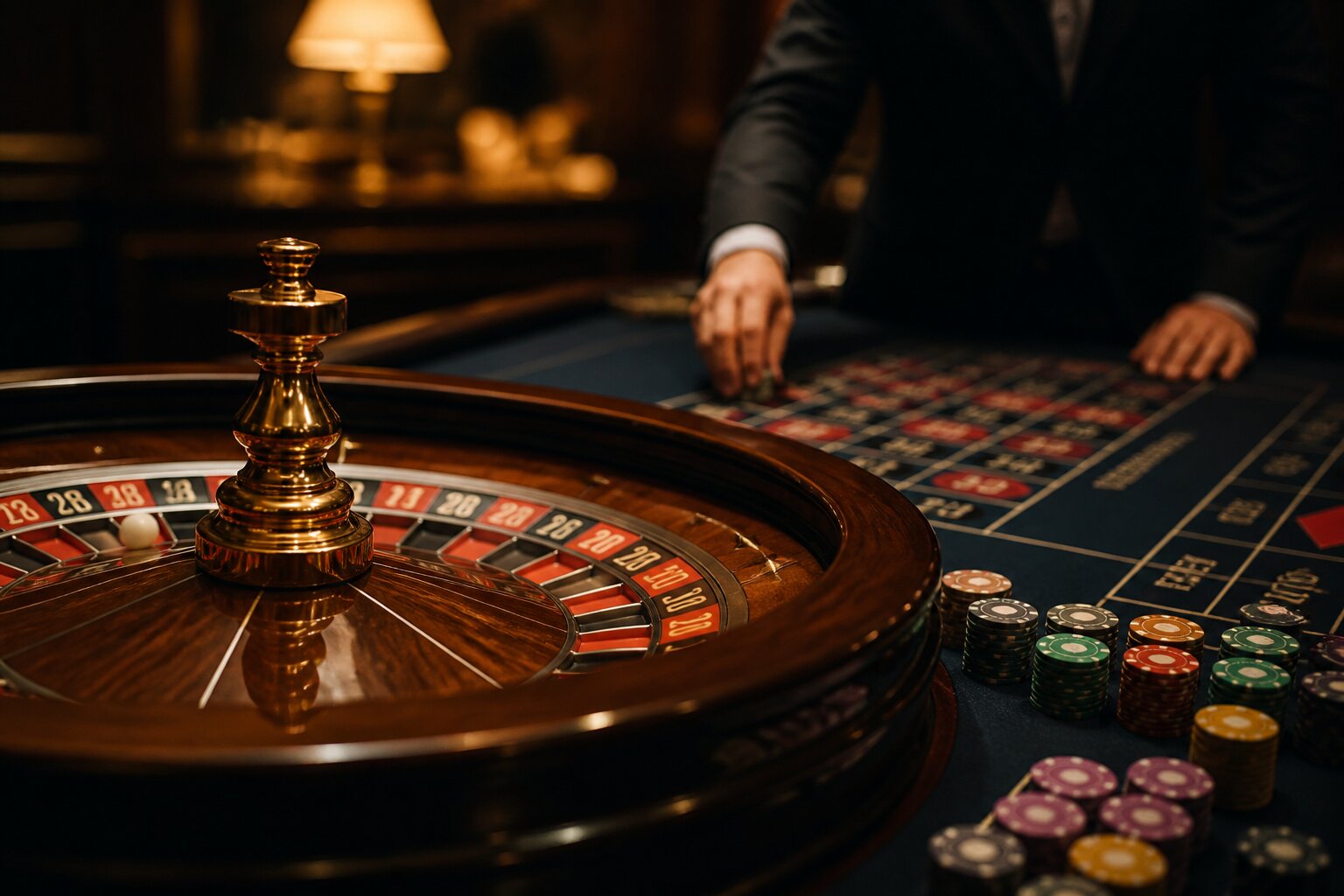
At its simplest, a roulette wheel consists of a circular track with numbered pockets — 37 on a European-style wheel (1–36 plus a single zero) or 38 on an American-style wheel (with a double zero). The wheel is spun one way while a small ball runs the rim in the opposite direction until it loses momentum and settles into a pocket.
Because of this process, each spin is statistically independent: the mechanics that produce an outcome on one spin are not influenced by previous outcomes. In brick-and-mortar venues, equipment is regularly inspected to ensure proper functioning. Online sites use certified Random Number Generators (RNGs) that are independently tested to make sure each spin's result is unpredictable and impartial.
Understanding these mechanics makes it clearer why spotting a long run of certain results doesn't change the underlying probabilities — it simply reflects how independent events can cluster over time.
Identifying the Most Talked-About Roulette Patterns
Players commonly discuss two broad categories of patterns: number-based trends and grouping streaks such as colour or parity (odd/even). These observations can be interesting to follow, but recognising them for what they are helps avoid giving them undue weight in decision-making.
Number Sequences & Hot Numbers
Number sequences are runs in which certain numbers appear more than once within a short span, and “hot numbers” are those that have been coming up frequently in recent spins. Some players track occurrences and interpret these as meaningful.
From a statistical standpoint, clusters of repeated numbers can and do occur naturally. In a long session you’ll see some numbers appear several times and others hardly at all. The existence of a hot number in recent spins does not imply it is more likely to come up on the next spin; rather, it is a short-term fluctuation that even fair systems will produce occasionally.
Red/Black and Odd/Even Streaks
Streaks of red or black, or sequences of odd or even results, are among the most visible patterns and therefore the most discussed. These runs can look striking — a dozen of the same outcome in a row is memorable — but they are not evidence of a change in underlying probabilities.
Streaks occur because independent results can cluster. While it’s natural to speculate about continuation or reversal, treating a streak as predictive will not improve expected outcomes. Many players use these observations purely as a way to add structure to their session rather than as a basis for reliable betting.
If you’re tracking patterns to enhance your playing experience, treat them as narrative details rather than predictive tools.
Do Patterns Really Affect the Game Outcome?
Short answer: no. The observed patterns do not alter the mathematical odds of future spins. Whether you witness a run of reds, a sequence of high numbers or repeated pockets, these are examples of natural fluctuations within independent trials.
Both physical wheels and electronic systems are designed and tested to avoid bias. Checks and certifications reduce the chance that equipment or software unfairly favours certain outcomes. That technical assurance, combined with the independence of spins, is why patterns are primarily of psychological interest rather than practical use for betting.
This is a good point to pause and consider how that distinction should shape your approach: patterns can make the game more engaging, but they should not be treated as reliable signals about what comes next.
Can Observing Patterns Help Predict Roulette Results?
Watching for patterns may make the experience more engaging, but it will not provide a dependable method for forecasting the next result. Each spin is independent, so no amount of observation, recording or charting will change the likelihood of a particular number or colour appearing.
Many players enjoy tracking results as a hobby or a way to feel more involved. If tracking enhances enjoyment without affecting stakes, it can be a harmless pastime. However, if pattern-spotting starts to influence bet sizes or lead to chasing losses, it becomes problematic.
Keep in mind that entertainment value and predictive value are not the same. Observing patterns is useful only insofar as it enriches the session, not as a tool for consistent advantage.
Common Myths About Predicting Roulette
Several persistent myths surround roulette prediction. One is the so-called “Gambler’s Fallacy,” the belief that if a result has shown up repeatedly, the opposite result is more likely next. Another is the idea that doubling strategies or similar staking systems can overcome the built-in house margin.
In reality, the Gambler’s Fallacy misunderstands independence: previous outcomes do not influence subsequent ones. Likewise, stacking bets or changing stake sizes cannot change the house edge; these approaches can increase volatility and potential losses without improving long‑term expectations.
Occasionally you’ll hear stories about biased wheels or favoured pockets. In regulated environments, equipment is routinely checked precisely to prevent such bias. If you’re playing, it’s enough to know that the most reliable protection is to use properly regulated games and to keep your play within comfortable limits.
Should Players Use Patterns to Inform Their Bets?
Using patterns to guide bets is a personal choice, but it’s important to be realistic about what they accomplish. Patterns can add structure and interest to a session, and some people enjoy the additional focus they bring. If that’s your aim, tracking outcomes can be a harmless part of the experience.
Where to be careful is when pattern observation becomes the primary basis for staking decisions or for trying to recoup losses. Because patterns do not alter the underlying probabilities, relying on them for financial gain is risky. A sensible approach is to treat any pattern-informed bet as entertainment rather than a method to achieve consistent returns.
If you choose to incorporate patterns into gameplay, do so with modest stakes and clear limits so the activity stays enjoyable and controlled.
Conclusion: What Should You Know Before Relying on Roulette Patterns?
It’s natural to look for meaning in the numbers and streaks you see at the table. Tracking patterns can be entertaining and help you feel more engaged, but it’s essential to recognise what those patterns represent: short-term variation in a sequence of independent events.
Patterns do not change the mathematical odds, and no system based on spotting streaks will reliably predict future spins. If you enjoy keeping score or following trends, treat it as an extra layer of interest rather than a way to improve outcomes.
Play within limits you set for yourself, keep stakes sensible, and let patterns be part of the fun — not the reason you play.
**The information provided in this blog is intended for educational purposes and should not be construed as betting advice or a guarantee of success. Always gamble responsibly.