
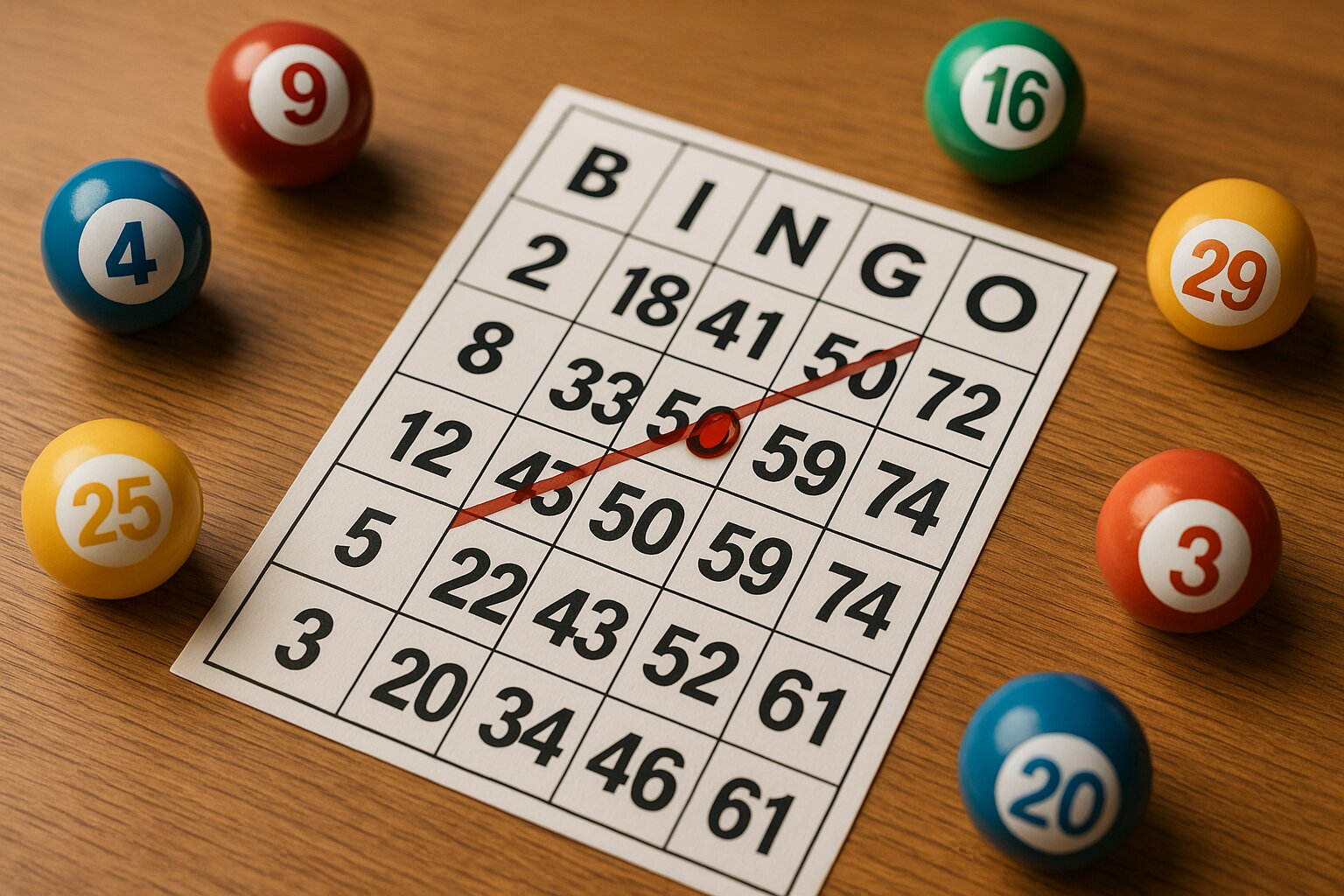
Bingo is one of those classic games that brings people together—whether in a local club or playing online. Many enjoy the rhythm of numbers being called and the small rush when a pattern is nearly complete.
If you’ve ever wondered which patterns count as a win, this guide explains the common options and the practical details you need to know before joining a game. Read on to make sure you’re clear about the rules and what to expect at the table or on your screen.
Bingo Winning Patterns Explained
When you play, the objective is to match the numbers on your card to those announced by the caller or shown on-screen. The exact patterns that qualify for a win depend on the game format and the organiser’s rules, which are normally explained before play begins.
The most common winning patterns are simple lines, which can appear in different orientations:
- Horizontally — across a row
- Vertically — up and down a column
- Diagonally — from one corner to the opposite corner
Beyond these, games often introduce special patterns to keep things interesting. Examples include covering all four corners, completing an X shape, or filling every number on the card (a full house). Each special pattern will be described in the game information, and prizes may differ according to difficulty or rarity.
A quick example: in a session that calls for “one line” to win, only a single horizontal, vertical or diagonal line listed as valid in the rules will count. In a “two lines” game, you must complete two such lines before anyone else.
What Are the Official Rules for Winning Bingo?
In the UK, bingo operators must run games transparently and state the winning patterns and prize structure at the outset. Typically, the rules emphasise which patterns are required — single line, two lines, full house, or specific shapes — and how wins will be verified.
Rules can vary between venues and online rooms. One operator may accept vertical wins, another may only accept horizontal lines, and themed sessions might feature unusual shapes. Make a habit of checking the session details so you know which patterns are in play and whether any prizes are shared or tiered.
When a win is claimed, the operator follows a verification process to confirm the card matches the called numbers and the declared pattern. This keeps the game fair and ensures any prize is awarded correctly.
That said, there are a few regular practices across the sector: organisers will display or announce the required pattern before the round, explain the claim procedure, and set out how prizes are split if multiple winners occur. Knowing these points helps you understand what constitutes a valid win in any particular session.
Do Diagonal Lines Count as a Win in UK Bingo?
Diagonal lines are sometimes accepted, but they are not universally recognised as a standard winning pattern in traditional sessions. Many venues prioritize horizontal lines and full houses, so diagonals are often excluded unless specifically listed.
Special games or themed nights are where diagonals are most likely to be included. For instance, a “corners and cross” session might reward both diagonal and corner patterns, whereas an ordinary afternoon game might not.
If you’re unsure whether diagonals count in a particular session, check the session rules or ask the host. Knowing this detail can change which cards you keep an eye on and helps avoid any surprise during verification.
Are Horizontal and Vertical Bingos Always Accepted?
Horizontal lines are the most frequently accepted winning pattern and are often the default for many sessions. Vertical wins are less common but do appear in certain formats.
Acceptance of horizontal or vertical wins depends on the organiser’s chosen pattern for the round. For example, a session may advertise “any line” which would include horizontal, vertical and diagonal lines; another may specify “horizontal only” or require multiple lines. Prize amounts can also reflect how likely a pattern is to occur — a rare vertical-only win might carry a different payout to a standard horizontal line.
If you play in different venues or switch between rooms online, you’ll quickly notice these small variations. A helpful habit is to glance at the session summary before you start, so you know whether vertical wins are in play and how they affect the prize structure.
Variations in Bingo Rules Across Venues
Different operators sometimes design formats around particular audiences or events. Community halls might run traditional sessions with straightforward line rules, while themed nights could introduce shapes like hearts, letters or special anniversary patterns. Online rooms commonly display the eligible patterns and any bonus rounds clearly on-screen.
Some variations also change the pace: a charity event might call only two lines before moving to a full house, while a promotional session could offer several smaller prizes for different patterns. These changes are not unusual, and organisers generally make them explicit so players can follow along without guessing.
Understanding these variations helps you match your expectations to the session type and increases the chance you’ll spot a potential win early on.
Common Myths About Bingo Winning Lines
Bingo carries a few persistent myths. One is that diagonal lines always count as wins; in truth, they do only when the rules of that session specify them. Another is that vertical wins are accepted everywhere — they are actually less common and usually reserved for special formats.
People also sometimes assume particular cards or tactics reliably increase the likelihood of a win. In reality, the numbers called in each round are independent of past outcomes, and no technique guarantees a better result. Treat claims of guaranteed strategies with scepticism and focus instead on the clear information provided by the session organiser.
If a rule sounds unfamiliar, asking the host or consulting the session details is the simplest way to cut through common misconceptions and play with confidence.
How to Check If You Have a Winning Card
Checking a card is straightforward: follow the numbers as they are announced or shown, and mark the ones that match your card. Take a moment to confirm each match against the most recent calls so you don’t miss a number or mark the wrong square.
When you think you have a winning pattern, compare your marked numbers against the session’s stated pattern. In a physical hall, staff will re-check the card; online, the system will usually validate the claim automatically. If multiple players claim a win at the same moment, organisers will apply the session’s tie rules, which may result in prizes shared between winners.
A calm, methodical check prevents disputes and ensures that any verified win is awarded correctly.
What Happens After Calling Bingo?
After a win is claimed, the game pauses briefly so the card can be verified. Staff in a hall will examine the physical card against the list of called numbers, while online systems use an automated check that confirms the pattern and the calls.
If the verification confirms the claim, the prize is paid according to the session’s rules. If there’s a discrepancy, the organisers will explain why the claim could not be accepted and play resumes until a verified winner emerges. In cases where several players claim a win simultaneously and the rules allow splitting, the prize will be divided according to the stated procedure.
This process ensures fairness and transparency for everyone taking part, and it keeps the session moving smoothly afterwards.
**The information provided in this blog is intended for educational purposes and should not be construed as betting advice or a guarantee of success. Always gamble responsibly.