
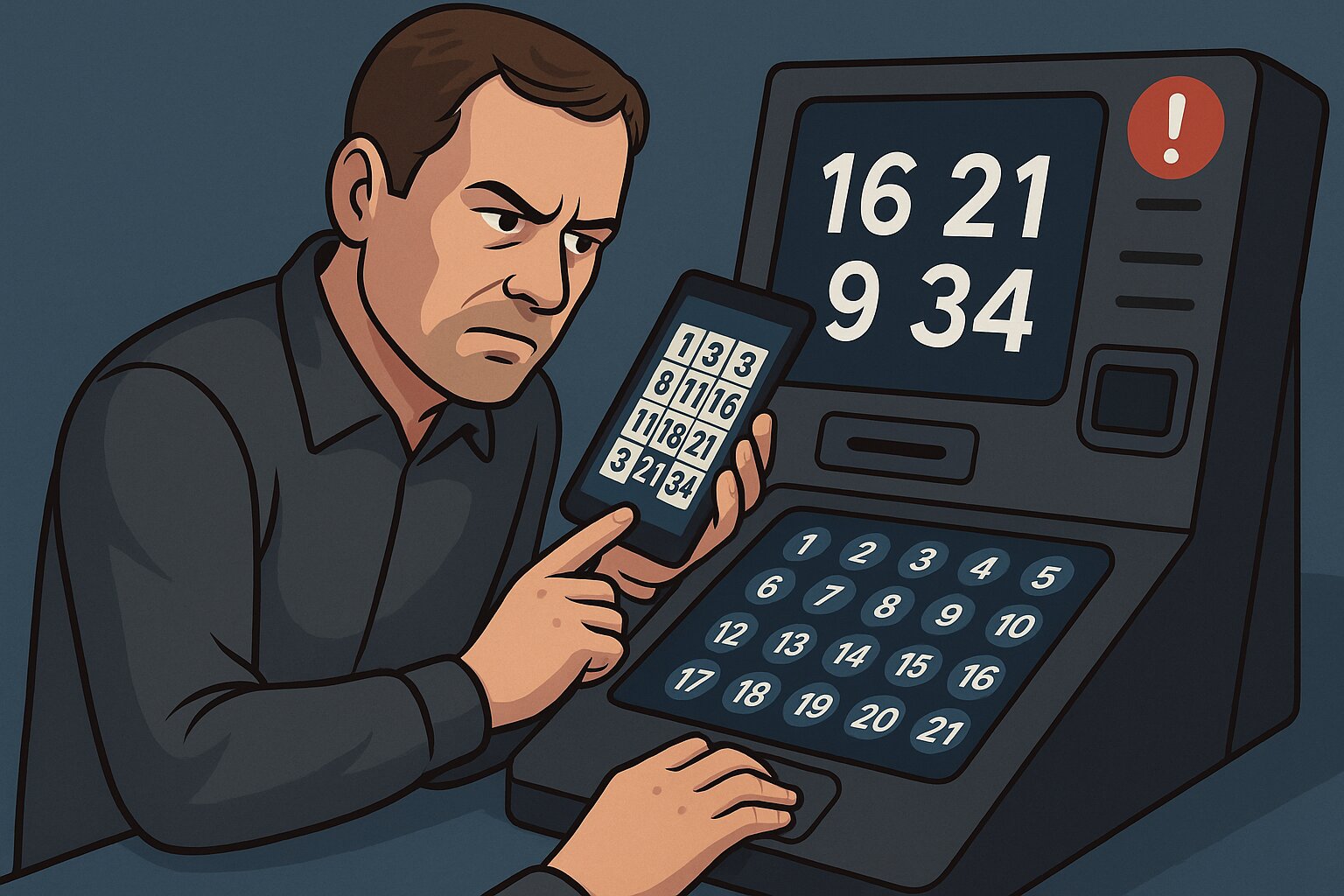
It’s natural to wonder how electronic bingo machines really work, especially with rumours about cheats and shortcuts. For many players, knowing what is fact and what is fiction makes a big difference to feeling confident and safe when you play.
This post clears up the biggest myths, explains the technology and security behind these machines, and outlines what happens if you suspect anything untoward. Read on to get the full picture and understand why regulated machines are designed to deliver fair play.
What Are Electronic Bingo Machines & How Do They Work?
Electronic bingo machines, sometimes called terminals or handhelds, are devices that let you play bingo on a screen instead of on paper. You see your cards digitally, and the machine marks numbers for you, which is especially useful when you have several cards in play.
The key technical element is the Random Number Generator, or RNG. The RNG is a piece of software that produces sequences of numbers in a way that cannot be predicted in advance. Think of it as the digital equivalent of drawing balls from a cage, but managed entirely by tested software rather than physical equipment.
RNGs are independently tested and must meet regulatory standards to ensure they behave correctly. Combined with the machine’s hardware, secure networking and operational controls, this testing is a core safeguard that supports fair outcomes and prevents manipulation.
Can Electronic Bingo Machines Be Hacked?
Hacking these machines is both illegal and extremely difficult. They are designed with multiple layers of protection to prevent tampering or unauthorised access.
Security measures include strong encryption, restricted access to internal systems, and continuous monitoring of activity. Operators also run regular integrity checks and independent audits to spot anomalies. Because of these precautions, attempts to interfere with the software or game outcomes are unlikely to succeed and are treated as serious criminal matters if they do occur.
If you are curious about the technical side, many operators publish summaries of their security practices and testing results so players can see how systems are kept secure.
Common Myths About Electronic Bingo Machine Cheats
Rumours flourish where understanding is limited, and bingo has its share of myths. Looking at the most persistent claims helps separate what is plausible from what is not. Clear information reduces unfounded concern and highlights where the real safeguards lie.
Myth: Secret Codes or Patterns Can Cheat the Machine
Some say entering special codes or following patterns can unlock extra wins. Outcomes are determined by the random number generator used by the machine, which is designed to produce unpredictable results. Because the RNG is software-driven and regularly tested, simple codes, gestures or card arrangements are not a realistic means of changing which numbers are produced.
RNGs used in regulated gaming are typically certified by independent testing laboratories and subject to ongoing checks. That certification, together with technical controls such as cryptographic seeds and secure system design, helps prevent unauthorised manipulation of the draw process.
Players should always be wary of anyone claiming to sell a guaranteed method or “system” for beating an electronic bingo machine. Such claims are not supported by how regulated RNG-based systems operate and are frequently linked to scams rather than genuine technical insight.
Myth: Employee Access Means Unfair Play
Concerns that staff can tamper with results are understandable. To reduce that risk, operators put multiple controls in place so no single person can change game outcomes.
Typical safeguards include:
- role-based access controls so staff have only the permissions needed for their job;
- segregation of duties so critical tasks require more than one authorised person;
- detailed logging of administrative actions, with logs protected and regularly reviewed.
In addition, many venues use physical controls such as CCTV and tamper-evident seals, alongside technical measures like encrypted configuration files and restricted network access. External testing, periodic audits and regulatory oversight further reduce the likelihood of undetected interference.
If earlier technical details about the RNG would help make sense of these points, you can refer to the section that explains how the RNG and testing process work.
How Are Electronic Bingo Machines Protected Against Cheating?
Protection is layered so that no single failure would let someone change results. Encryption shields data in transit and at rest, while access controls limit who can interact with the machine’s sensitive components. Independent testing bodies validate the RNG and overall system behaviour before machines are approved for use.
Operators monitor systems for irregular patterns and have automated alerts to flag anything unusual. When combined with physical security measures in clubs and venues, these digital controls create resilient protection against interference.
Staff training and clear procedures for reporting and investigating incidents are also important. They ensure that if someone does notice unusual behaviour, it is handled promptly and transparently.
Regulatory checks add another layer of assurance, which leads us into how those external bodies operate.
How Do Regulatory Bodies Ensure Fairness With Bingo Machines?
Regulators set the standards that machines and operators must meet and maintain. Before a system can be used, it goes through independent testing to verify the RNG, the software, and the reporting functions work as intended. That testing is followed by ongoing audits and inspections to ensure the system remains compliant.
Regulation covers not only the technical elements but also how operators handle customer complaints, security incidents and record keeping. As a result, compliance is a continuous process rather than a one-off event, and this continuous oversight helps protect players over time.
We work with these testing agencies and follow regulatory requirements so players can be confident our systems meet those standards.
What Should Players Do If They Suspect Cheating?
If something seems out of the ordinary while you are playing, tell staff or contact customer support through the official channels. Clear information about the time, machine and nature of the concern helps the investigation team to review logs and any available evidence quickly.
Reports are taken seriously and investigated thoroughly. If the investigation shows grounds for further action, the matter can be escalated to the appropriate authorities or testing bodies for a deeper technical review.
Support is also available if you have questions about responsible play or need help finding advice. Our team can direct you to resources and services appropriate for your situation.
**The information provided in this blog is intended for educational purposes and should not be construed as betting advice or a guarantee of success. Always gamble responsibly.