
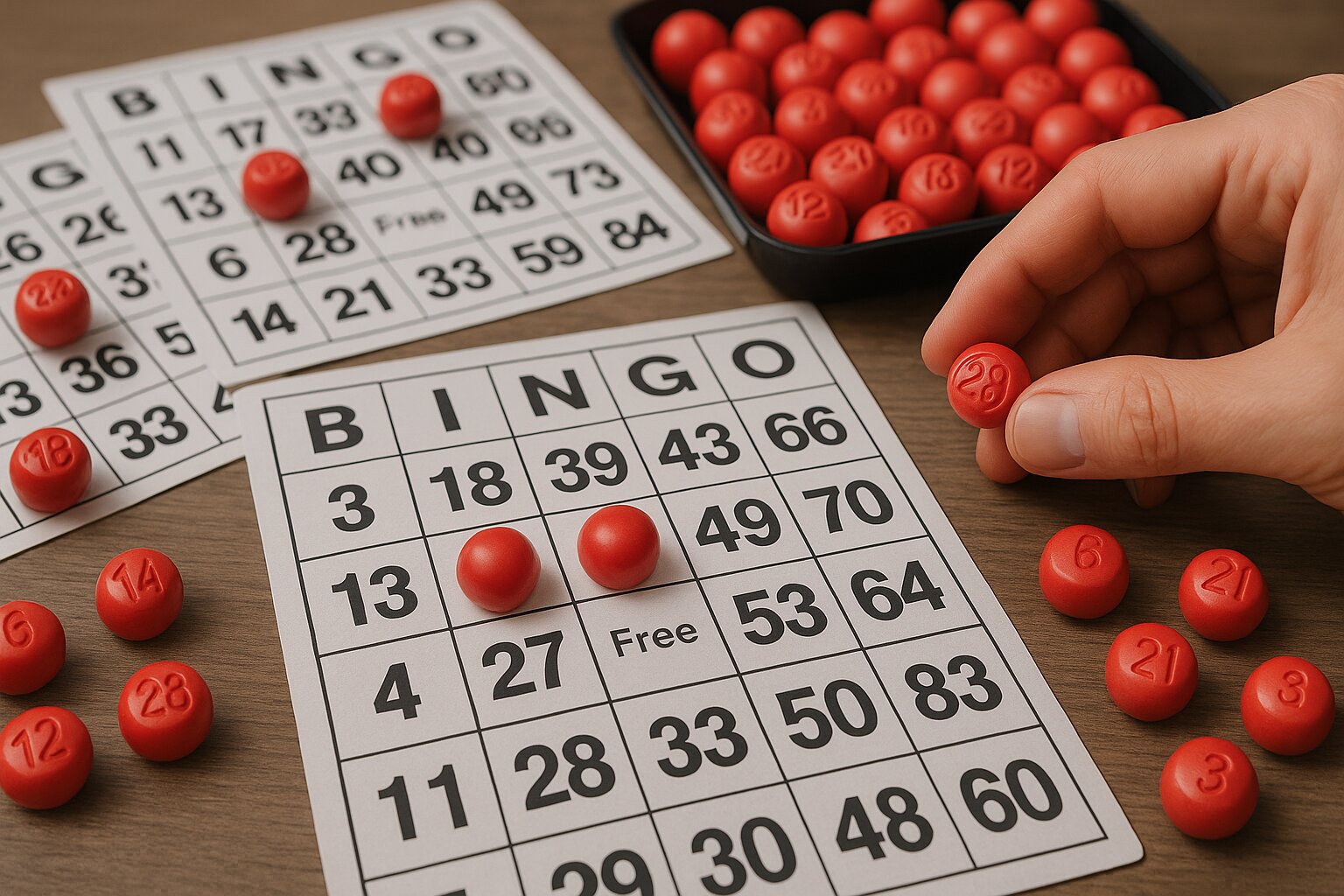
If you've ever played bingo, you know the mix of anticipation and noise as numbers are called. The idea of a full house in just 15 balls — the minimum for a 90-ball ticket — is the sort of result that fuels conversation long after a game ends.
That outcome would mean every one of the ticket’s 15 numbers has been called, with no spare calls. It’s exceptionally uncommon, so this article explains why that is, how the maths and rules work, and what you should keep in mind when you play.
First, let’s make sure we understand how wins are determined in the main bingo formats.
What Are the Rules for Winning in 90-Ball and 75-Ball Bingo?
In 90-ball bingo each ticket holds 15 numbers across three rows. There are three recognised prizes within a single game:
- One Line: all five numbers on any single row are marked off.
- Two Lines: all numbers on any two rows are marked off.
- Full House: all 15 numbers on the ticket are marked off.
A typical session continues until the three prizes are claimed, with the full house awarded last. Numbers are drawn at random and the onus is on the player to call bingo before the next number is announced.
75-ball bingo uses a 5x5 grid and usually features a set pattern to complete, such as a straight line, diagonal, or a specific shape. The first player to cover that pattern, as numbers are called, wins. The pattern-focused nature changes how a game feels, but not the randomness of the draws.
Now that the basic win conditions are clear, we can look at how unlikely a 15-call full house actually is.
How Rare Is a Win in 15 Calls?
A full house in exactly 15 calls is one of the rarest possible outcomes in 90-ball bingo. To achieve it, every number on a single ticket must be among the first 15 numbers drawn, with no extra numbers called that aren’t on the ticket.
From a probability standpoint this is an extremely small chance. There are many combinations of 15 numbers that could be drawn from 90, and only a tiny fraction of those combinations will match the 15 numbers on any one ticket. For most players this is a once-in-many-years event, if it occurs at all.
Because the odds are so low, anecdotes about 15-call wins tend to be treated as memorable stories rather than routine occurrences.
Understanding Bingo Odds: How Are Outcomes Calculated?
Bingo outcomes are driven by random draws, and probability estimates come from combinatorics — the maths of counting possible number sets. For a single 90-ball ticket, the number of possible 15-number draws from 90 is a very large figure; the subset of draws that match your ticket’s exact 15 numbers is just one of those many combinations. That scale explains why 15-call full houses are so scarce.
Factors That Influence Bingo Probabilities
A few practical factors affect your chance of winning a particular prize in a given game:
- Number of Players: More players generally means more competition to claim a prize first.
- Number of Tickets Held: Holding more tickets increases your opportunities overall, though each ticket individually faces the same probability as any other.
These factors change only your relative chance of being the first to claim a prize; they do not change how numbers are drawn. Understanding this helps set realistic expectations about outcomes.
Next, we’ll consider whether any 15-call wins have been formally recorded.
Has a 15-Number Win Ever Been Verified?
Documented, independently verified records of full houses completed in exactly 15 calls are hard to find. Some community posts and forum stories describe such wins, but these accounts seldom include conclusive evidence or operator confirmation.
Industry bodies and operators do not typically publish records specific to a 15-call result, so even if it has happened, public verification is rare. That said, the lack of a formal record doesn’t stop the tales from circulating — they remain part of bingo’s oral history.
If you come across a claim of a 15-call win, it’s reasonable to treat it as an interesting anecdote unless official documentation is provided.
Are There Common Misconceptions About Early Bingo Wins?
A handful of persistent beliefs suggest certain numbers, patterns, or rituals can improve one’s chances of an early win. In reality, the draw process determines results and is independent of where you sit, what numbers you choose, or any pre-game routine. Each ball is drawn at random and past outcomes do not influence future draws.
Superstitions and narratives about streaks can be entertaining, but they do not change probabilities. Treating them as fun chatter rather than strategy helps players stay grounded and enjoy the social side of the game. Keeping that distinction in mind also makes it easier to make sensible choices about how much time and money to spend.
There are, however, a few clear factors that affect how quickly a result might occur. These include:
- the type of game and how many numbers are called,
- the size of the player pool and how many cards are in play,
- the winning pattern required, for example a single line versus a full house.
Understanding these mechanics clarifies why some sessions feel quicker than others and prevents misconceptions about luck or skill. Remember to play responsibly and within your limits.
How Do Game Variants Affect the Possibility of Early Wins?
Variants such as speed bingo and pattern bingo alter tempo and objectives, but not the fairness of the draw. Speed bingo reduces the time between calls and may use a reduced set of numbers, so individual games finish sooner; however, the chance of a win occurring in the minimum number of calls remains very small.
Pattern bingo changes what constitutes a win — for example, a specific shape on the card — and that can make some wins happen earlier in a session than they would in a full house-only game. Still, since numbers are random, no variant guarantees a markedly higher probability of an extreme early outcome.
Choose the format you enjoy most; the design of the game will shape how quickly a session concludes, but it won’t alter the randomness behind which numbers appear.
Final Thoughts on Achieving a 15-Number Bingo Win
A full house completed in 15 calls is an exceptionally rare event that captures players’ imaginations. The mathematics and mechanics of the game explain why: the number of possible draws compared with the single perfect match for any ticket makes the outcome unlikely.
Bingo is best appreciated for its social atmosphere and the excitement of the shared experience, rather than as a source of predictable wins. Play with a clear head and within your means; if gambling ever stops being fun, confidential support and advice are available from organisations such as BeGambleAware.
Enjoy the game, savour the moments that make each session memorable, and remember that every result comes from the same fair, random process.
**The information provided in this blog is intended for educational purposes and should not be construed as betting advice or a guarantee of success. Always gamble responsibly.