
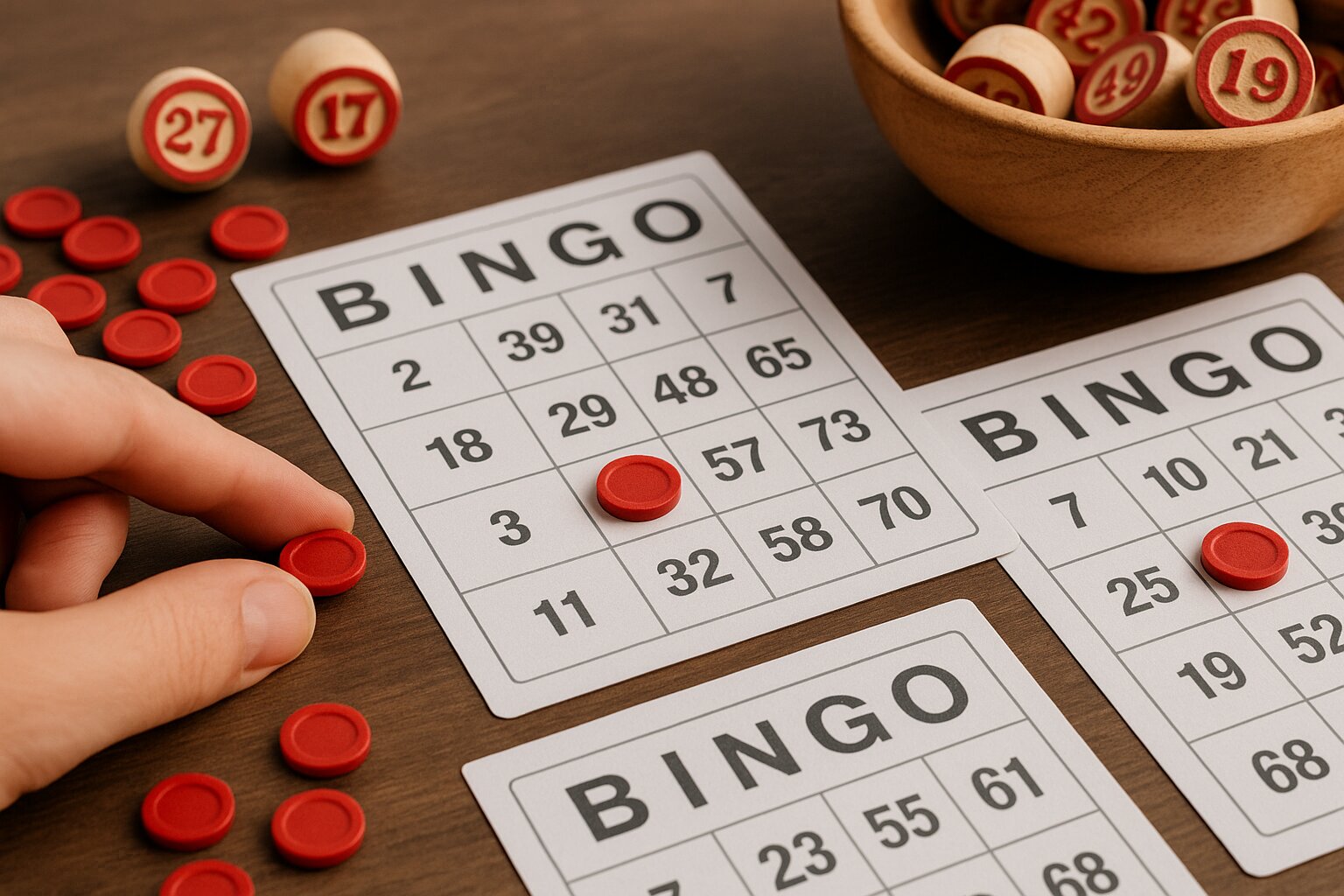
Are you curious whether bingo counts as gambling in the UK? Many people see bingo as harmless entertainment, but the legal position is clear. Under the Gambling Act 2005, bingo is treated as a form of gambling and is subject to the same regulatory framework as other betting activities.
If you want to know who can play, what protections exist, and how play differs between halls and online sites, this article explains it in straightforward terms. Only adults aged 18 and over may play for money, and operators must follow strict rules to keep games fair and players protected.
Read on for clear answers about how bingo is regulated, how it works in practice, and what safeguards are in place to help you play safely.
How Does Bingo Work as a Game?
Bingo is easy to follow, which is one reason it remains popular. Players buy tickets that show a grid of numbers. During a session, numbers are announced and players mark matching numbers on their tickets. Prizes are awarded when a particular pattern is completed, such as a single line, two lines, or a full house.
Numbers are drawn at random, typically by a mechanical or electronic device in halls and by certified random number generators online. Because the draw is random, no betting strategy can alter the outcome; players mainly need to pay attention to their tickets and understand the rules for the game they are playing.
Practical differences can affect the experience. In a hall, players often enjoy a communal atmosphere and live callers; online, games can be faster, there are more session options, and automated checks confirm winning tickets immediately. Both formats operate under the same basic structure: tickets, random draws, and defined winning patterns.
The Role of Chance in Bingo
Chance is the defining feature of bingo. Each draw is independent and unpredictable, so every player faces the same fundamental uncertainty about which numbers will be called. This randomness is what makes the game fair and why regulatory oversight focuses on ensuring draws are genuinely random.
Because the outcome depends on the draw rather than player decisions, winnings cannot be guaranteed. Operators use certified systems and testing to make sure draws are random and that results cannot be manipulated, which is a central part of maintaining player confidence.
Understanding that chance drives results helps set realistic expectations about playing: the entertainment comes from taking part and the social elements, rather than any expectation of a particular outcome.
Does Skill Have Any Impact in Bingo?
Skill in bingo is limited to understanding the rules and keeping track of numbers accurately. Being organised and attentive makes the experience smoother—you are less likely to miss a win, for example—but it does not change the statistical odds of a ticket winning.
Because numbers are drawn randomly, actions such as choosing particular ticket designs or following routines will not improve the chance of success. The most tangible effect of a player’s behaviour is how they manage their session: selecting games that suit their budget, using available account features responsibly, and familiarising themselves with prize structures.
This distinction matters: skill can enhance comfort and clarity while playing, but it does not influence the random process that determines winners.
What Legal Regulations Apply to Bingo?
Bingo operators in the UK must comply with the Gambling Act 2005 and rules issued by the UK Gambling Commission. Licensing, transparent prize structures, and independent testing of random number generators are among the core requirements. These measures aim to make sure games are fair and outcomes are trustworthy.
Regulation also covers advertising standards, money-handling practices, and how complaints are dealt with. Operators are required to verify player age and identity to prevent underage play. They must also keep records that allow audits and investigations to ensure compliance.
These safeguards help protect players and provide a framework for fair play. When an operator meets these standards it gives players assurance that the mechanics of the game and the payout processes are subject to oversight.
Myths About Bingo: Pure Chance or Skill?
There are several persistent myths about bingo. One common misconception is that certain strategies or ticket selections can beat the system. In reality, because draws are random, no method can reliably produce better results.
Another myth is that buying many tickets guarantees a win. While holding more tickets increases the number of entries in a given session, it does not change the underlying chance associated with any particular ticket. Players who buy multiple tickets should balance that choice against their budget and how much time they want to spend keeping track of numbers.
Clearing up these misconceptions helps people make informed choices about how they play and how much they spend, so the experience remains enjoyable without unrealistic expectations.
How Do UK Gambling Laws Affect Bingo Players?
UK gambling law centres on player protection. The minimum age for paid play is 18, and operators must carry out age checks. Beyond that, the regulatory framework requires operators to implement measures that reduce the risk of harm and promote transparency about how games work.
Players can expect access to features designed to support control over spending and participation. Examples include deposit limits, time-out periods, and the ability to self-exclude. These measures exist so players can choose how they manage their activity and take steps to restrict play when needed.
Operators must also provide clear terms and conditions, display prize details, and handle disputes through established procedures. Together, these elements form a system intended to make participation safe and fair.
Is Playing Bingo Online Different From In-Person?
Bingo can be played in traditional halls or through online platforms, and both formats follow the same regulatory principles. The core differences lie in delivery, pace, and the specific measures each environment offers to support players.
Legal Regulation and Age Verification
Regulatory requirements such as licensing and age verification apply equally to venues and online sites. Online platforms often use automated checks to confirm identity and age before allowing paid play, while physical venues rely on manual checks at the point of sale or entry.
Responsible Gambling Tools and Player Safety
Online environments commonly provide a suite of account-based tools that let players set deposit limits, monitor activity, or take breaks from play. In-person venues offer staff support and information about local help resources, and operators in both settings are expected to recognise and respond to signs of harmful play.
Both environments must ensure fairness, with random draw mechanisms tested and audited. The main trade-offs are convenience and pace: online games may be quicker and available at any time, while halls offer a social setting and live calling. Choose the environment and session type that best fit your personal preferences and budget.
This overview should give you a clear sense of how bingo is treated under UK law, how the game operates, and what protections are in place for players. If you have a specific question about a particular operator or venue, checking their terms and licence details will provide the most directly relevant information.
**The information provided in this blog is intended for educational purposes and should not be construed as betting advice or a guarantee of success. Always gamble responsibly.