
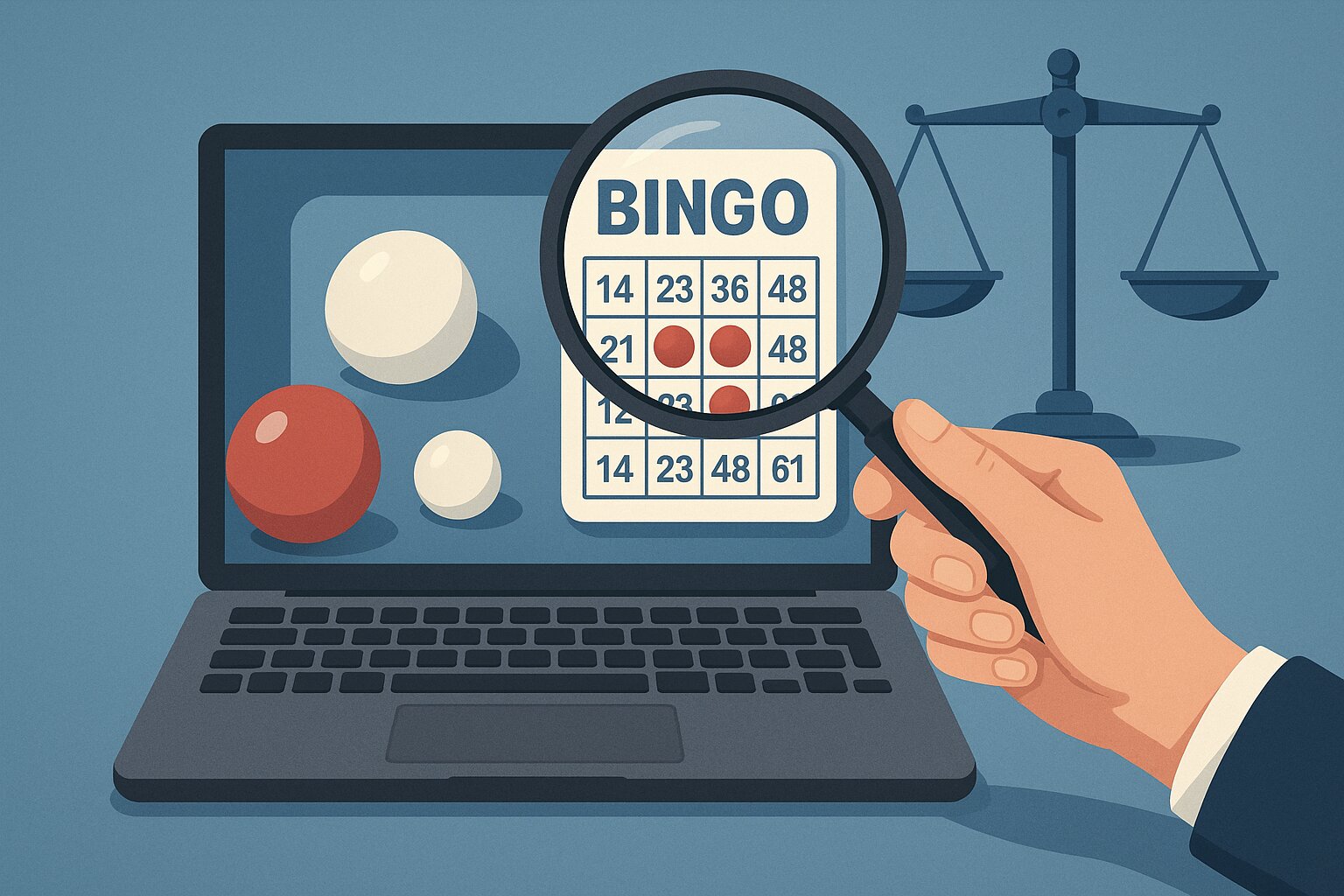
If you’ve ever played online bingo and wondered whether the game is truly fair, you’re not alone. Many players ask the same question when outcomes don’t go their way and when there’s a lot of choice in the market.
Fairness in online bingo matters because players deserve clear information about how the games work and what safeguards are in place. This article explains the systems behind online bingo, the independent checks that support fairness, and practical ways to assess a site before you play.
Read on to learn how bingo draws are run, what regulators check, and how to raise concerns if something doesn’t seem right.
Is Online Bingo Rigged or Fixed?
Worries about rigged games are common, but there are robust processes designed to prevent that. In the UK, operators must meet regulatory standards that require games to be run honestly and transparently. Independent testing and routine oversight form the backbone of that assurance.
When concerns arise, the key questions to ask are whether the operator publishes information about how its games are tested and whether an independent body is checking the systems that determine results. If those elements are in place, it’s strong evidence the operator cannot manipulate outcomes.
Ultimately, operators don’t control individual results; systems and checks do. Knowing that can make it easier to judge whether a site meets acceptable standards for fairness and transparency.
How Are Online Bingo Games Regulated in the UK?
The UK Gambling Commission sets rules that operators must follow to offer online bingo. These rules cover technical fairness, record-keeping, player protections and the ways complaints are handled. Regular audits and licence conditions mean operators must maintain standards continuously rather than only at onboarding.
Regulation also requires that operators provide clear information to players about game rules, payout structures and any limits they can apply to their accounts. If an operator fails to meet these obligations, the regulator can take action, which helps keep the market accountable.
This regulatory framework is what makes it possible to check a site’s credentials and trust the information it provides about game operation and testing.
Understanding Random Number Generators in Online Bingo
Random Number Generators (RNGs) are the technical core of online bingo draws. An RNG is a piece of software that produces sequences of numbers in a manner intended to be unpredictable and without bias, so each call is independent of the last.
Testing labs examine the RNG’s output patterns and its implementation to confirm it meets statistical standards for randomness. Those tests look for any anomalies or repeatable patterns that would indicate a problem. When an RNG passes certification, it means the draw process has been examined by specialists for fairness and integrity.
Because RNGs and their results are part of the independent testing regime, players can rely on those technical checks as part of the overall assurance that games are being run correctly.
How Do Payouts and Odds Work in Online Bingo?
Payouts and odds are determined by the number of tickets in play, the prize structure of a game and the rules set out before a session begins. These factors are published so players know the potential returns and how prizes are awarded.
Odds change with the size of the player pool: more tickets in play means each individual ticket represents a smaller share of the total chance to win. That does not mean outcomes are altered; it simply reflects how probabilities spread across many entries. Progressive jackpots, fixed prizes and prize splits follow the same transparent principles and should be stated in the game terms.
If you want to assess value, compare the stated payout structure and prize split for a game with its ticket price and player numbers. That gives a clearer picture than trying to infer patterns from short-term results.
Are Online Bingo Sites Audited for Fairness?
Yes — auditing is part of maintaining a licence and a key method of ensuring games remain fair. Audits check both software and processes: they review RNGs, transactional records, system security and how results are reported to players. These audits are repeatable and documented so regulators can follow up if issues appear.
Ongoing audits prevent problems from going unnoticed and give players a mechanism for verification. When sites publish audit certificates or testing statements, that transparency helps players confirm independent oversight has taken place.
Testing and auditing are not one-off gestures; they are ongoing components of the regulatory environment that keeps operators accountable.
Who Carries Out Testing & Audits?
Accredited Testing Facilities (ATFs) and recognised testing houses perform these technical reviews. These organisations operate independently of operators and evaluate systems against established standards. Their role is to validate RNG performance, check game code where needed, and confirm that displayed results match the underlying system records.
Because these testers report to regulators and provide publicly recognisable certifications, their involvement is a useful indicator of a site’s technical credibility.
Common Myths About Online Bingo Fairness
Myths about online bingo often grow from misunderstandings about how draws and payouts are determined. One persistent belief is that sites can pick winners or favour particular players. In truth, independent testing and regulatory oversight exist specifically to prevent that kind of interference.
Another common misconception is that playing at certain times or using particular strategies will affect outcomes. Since draws are driven by RNGs and payout structures, timing or informal patterns don’t change the underlying statistical process.
When you hear claims that contradict known testing standards or certification, ask whether those claims are backed by independent verification. Trustworthy evidence typically comes in the form of test reports, audit certificates or regulator confirmations rather than anecdote.
What to Look for in a Trustworthy Online Bingo Site?
A reliable site will publish clear information about its games, testing arrangements and complaint processes. Look for:
- A visible statement that games are independently tested and which testing bodies have reviewed them.
- Easy-to-find information on game rules, prize structures and how winners are determined.
- Clear contact details and formal complaint procedures, including the alternative dispute resolution (ADR) service used.
Secure site technology, transparent terms and accessible help channels are further signs that an operator is organised and accountable. Those features make it easier to verify claims about fairness and to act if anything seems amiss.
If you prefer, check published audit statements or testing certificates before you register; they are often available in site terms or a help centre.
How to Report Suspected Unfair Practices
If you suspect unfair play, there are steps you can take to raise and escalate the matter. Start by contacting the site’s customer support and keeping any records you have, such as screenshots or account statements. Reputable operators will have a formal complaints process and should respond in a timely way.
If the operator’s response is unsatisfactory, you can take the complaint to the independent Alternative Dispute Resolution service the site lists in its terms. ADR bodies provide an impartial review and can recommend remedies where they find problems.
Serious concerns about licence breaches may be reported to the UK Gambling Commission via its website. The regulator accepts complaints about licence holders and will investigate where appropriate. Using these routes helps protect all players by ensuring issues are examined and, where necessary, addressed.
By knowing how games are tested, what regulators require and how to raise concerns, you can play with greater confidence. If you ever need help interpreting a site’s test results or complaint steps, check the operator’s published information or contact their support team for clarification.
**The information provided in this blog is intended for educational purposes and should not be construed as betting advice or a guarantee of success. Always gamble responsibly.