
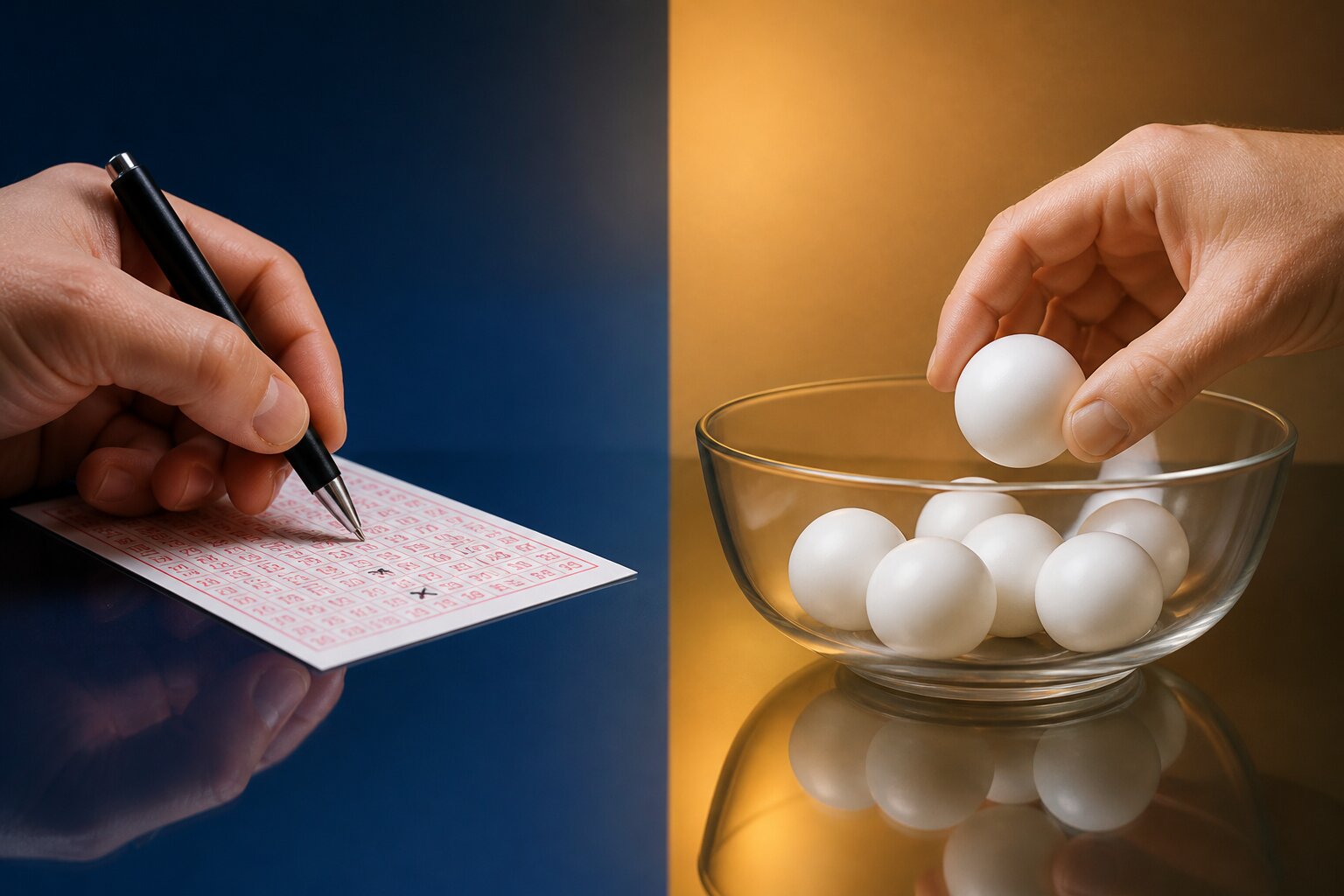
There’s a particular thrill to choosing your own lottery numbers — birthdays, anniversaries or a combination that feels special. But as the ticket prints, many players pause and ask: should I stick with my regular numbers, or opt for a Lucky Dip?
For some, Lucky Dip removes the decision and speeds up the purchase; for others, selecting numbers is part of the ritual. When the balls are drawn, though, the key question is practical: does one approach actually change your chance of winning?
If you want to understand how the odds compare and what really matters when you enter a lottery, the sections below look at the mechanics, the psychology and how outcomes are handled so you can decide which approach suits you.
The Key Differences Between Own Numbers and Lucky Dip
Choosing your own numbers is about personal meaning and routine. Many players select dates or combinations that mark events in their lives, keeping the act of buying a ticket connected to something personal. Others prefer to vary their choices, but the common thread is a sense of involvement in the selection.
Lucky Dip removes personal input entirely. The terminal or website generates a random combination from the full number pool for that game. There is no preference for dates or familiar patterns, and that means the selection can spread across the full range of available numbers.
A practical consequence of these behaviours is how often certain numbers appear on many tickets. Date-based choices tend to cluster below 31, while Lucky Dip selections cover the full set more evenly. That can influence the likelihood of sharing a prize if a common sequence is drawn. With that in mind, the next section looks at whether any of this affects the actual odds of winning.
Are the Odds Really Different?
The mathematical chance of winning is the same for every valid line, regardless of how the numbers were chosen. For example, the odds of matching all six main numbers in the UK Lotto are 1 in 45,057,474 for each line played. This figure applies equally to a personally chosen set and a randomly generated Lucky Dip.
This equality comes from the draw process itself. The drawing mechanism treats every possible combination identically, so the source of the numbers does not influence the outcome. Where a practical difference can appear is in prize sharing: if a widely chosen pattern happens to win, more players may hold the same numbers, and the prize would be split. That consideration affects how you might feel about using dates or popular sequences, but it does not alter the base chance of a single line succeeding.
With the odds clarified, it helps to understand why many players still enjoy choosing their own numbers, which is more a question of psychology than probability.
Why Do Some People Prefer Picking Their Own Numbers?
Picking your own numbers often makes the whole experience feel more meaningful. The choice can create a small ritual that turns an ordinary purchase into something personal. Familiar numbers are easier to remember and checking results carries a different emotional charge when the numbers have a story behind them.
The Psychology Behind Choosing Your Own Lottery Numbers
There is a psychological effect when people believe their actions can influence outcomes. Selecting numbers that matter provides reassurance and involvement, even though it does not change the mathematics of the draw. For some, playing the same numbers regularly is part of a habit that brings comfort; for others, varying selections keeps the experience fresh and engaging.
Having personal numbers also affects how players interpret wins and losses. A win on a set that has sentimental value may feel more satisfying, while a loss can feel more personal. These responses shape why many people continue to choose their own numbers despite knowing the odds remain constant.
Superstitions and Common Lottery Number Myths
Myths persist around number selection. Ideas such as numbers being “due” to appear, or that certain sequences carry a higher chance, are common but unfounded. These beliefs are part of the wider social tradition surrounding lotteries, and they explain why particular combinations often recur among many players.
Understanding these tendencies is useful when weighing the practical implications of choosing numbers versus accepting a random set, which brings us to how Lucky Dip actually operates.
How Does Lucky Dip Work?
Lucky Dip is a feature that produces a random selection of numbers for your entry. Whether requested at a shop terminal or selected online, the system draws combinations from the complete range available for the game, without human input or preference.
The mechanics vary between games but the principle is the same: software or an authorised terminal generates combinations using certified processes to ensure even coverage. Systems are maintained and tested so that selections are as random as possible within the rules of the game.
For players, Lucky Dip offers convenience. It removes decision-making and can distribute selections more broadly across the full number range, which may reduce the chance of sharing a prize if an unusual combination wins. Having explained how those sets are created, the next section considers whether using Lucky Dip changes your actual chance of success.
Does Using Lucky Dip Increase or Decrease Your Chances?
Using Lucky Dip neither raises nor lowers the probability of winning. The chance for each entry is identical no matter how the numbers are arrived at. Whether a machine or a person provided the numbers, the draw treats every valid combination equally.
The only operational difference arises from human selection patterns. Because many people favour date-based numbers, manually chosen lines can cluster. A randomly generated set tends to avoid those clusters, so in the unlikely event of a big prize the winner may be less likely to have to split it. That affects prize division, not the fundamental odds of a single line matching the draw.
Understanding the draw itself clarifies why fairness is maintained across entry types.
Understanding How Lottery Draws Are Conducted
Lottery draws are conducted under strict regulation and oversight to ensure fairness and transparency. Games use mechanical ball machines or certified random number generation systems, and independent adjudicators supervise draws to verify procedures are followed.
Every valid entry is recorded before the draw deadline and entered into the same process, so all combinations compete on equal terms. Equipment and software used for draws are regularly tested and audited by independent bodies to confirm proper operation and compliance with standards.
These controls mean players can be confident that the method of number selection will not affect the integrity of the draw. With that clarity in place, the final section summarises what this all means for someone deciding how to pick their numbers.
The Bottom Line: Your True Chance of Winning the Lottery
Every ticket you buy has the same mathematical chance of winning, whether you choose the numbers yourself or accept a Lucky Dip. The systems and procedures that govern draws are designed to ensure equal treatment for each line.
Choosing your own numbers brings personal meaning and ritual; using Lucky Dip brings speed and an even spread across the number range. One practical difference is the potential for prize sharing when common number patterns win, but that does not change the chance of a given line being drawn. Entering a lottery should be done with clear expectations and personal limits, and with the understanding that the outcome is determined by the draw process rather than by how the numbers were chosen.
**The information provided in this blog is intended for educational purposes and should not be construed as betting advice or a guarantee of success. Always gamble responsibly.