
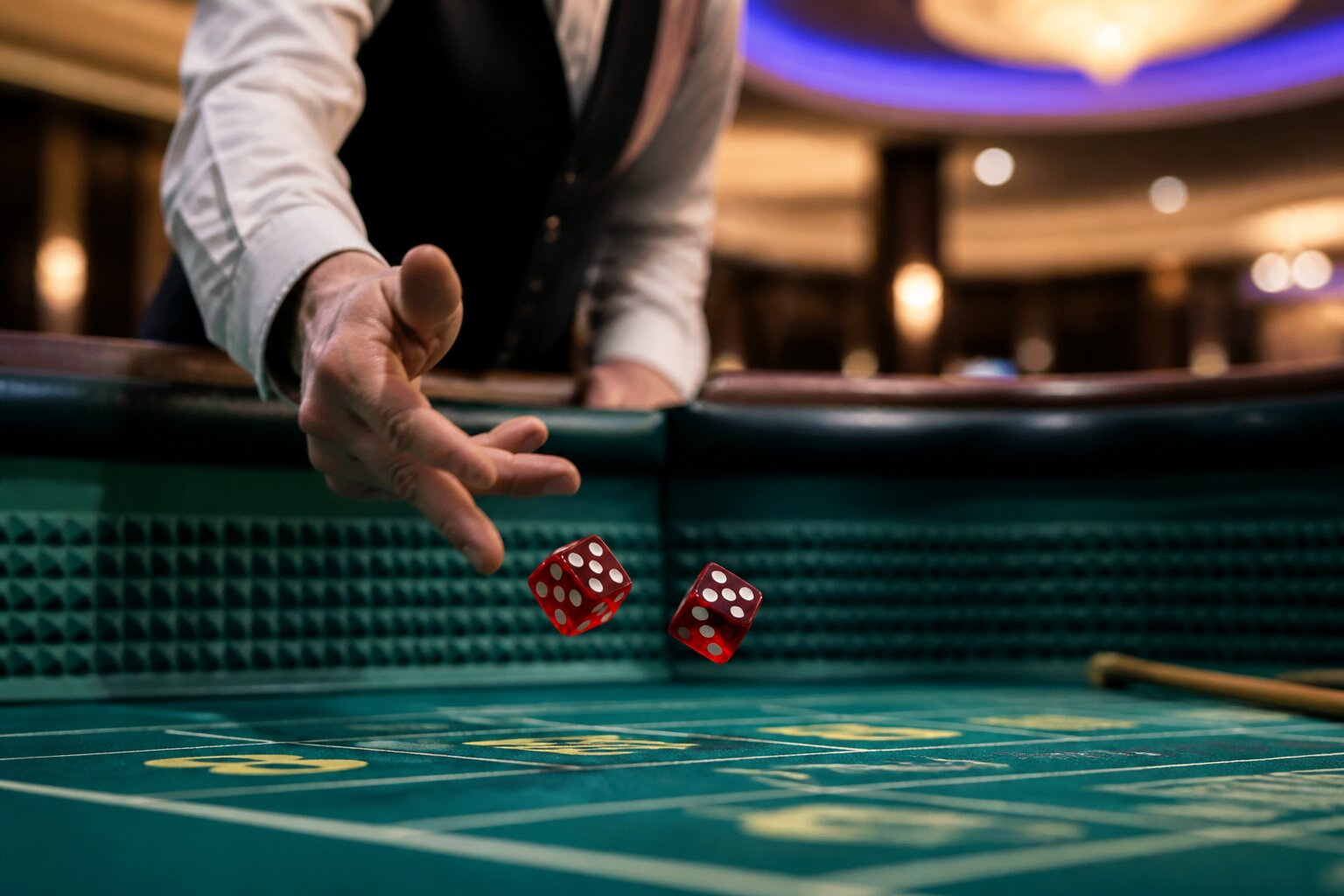
Ever wondered why rolling two twos in craps is called the Ballerina Roll? The game has a long list of nicknames, but this one stands out for its playful wordplay and colourful history.
There is a neat story behind the name that links pronunciation with culture and table talk. Read on to find out how the phrase started and what it means for players at the felt.
What Does Double Two Craps Mean?
In craps, "Double Two Craps" describes a roll where each die shows two, giving a total of four. Players also hear this result called “two-two” or “hard four”, but the Ballerina Roll is the nickname that really catches attention because two-two sounds like "tutu", the skirt worn by ballet dancers.
The roll matters most on the come-out throw, the first roll of a new betting round. If a shooter comes out with double two, it is one of the numbers classed as craps, so Pass Line bets lose on that roll. Outside of the come-out, a hard four can have different consequences depending on bets already in play; it may resolve place bets or side wagers that specify the four. Bets that are specifically laid on a hard four are settled according to the table’s posted payouts.
To picture the frequency: there are 36 possible pairings of two six-sided dice and only one yields double two, so it happens infrequently. That relative rarity is part of why the term has such a memorable place in the game and why dealers and players often respond to it with a bit of flourish. This sets the scene for how the roll is handled at the table and how people react when it appears.
How Is the Ballerina Roll Performed at the Craps Table?
A Ballerina Roll happens when the shooter takes the dice, gives them a shake, and sends them down the table so they come to rest showing two on each die. Dealers announce the result, commonly calling out “two-two” or “hard four”, and some tables use “ballerina” as a light-hearted alternative.
When the roll lands, the dealer settles the bets: losing wagers are cleared and any winning side bets that cover the four are paid. Player reactions vary from disappointment to celebration depending on where money is staked. The combination is no different from any other outcome in terms of procedure; dealers follow the same routines to ensure bets are handled accurately and the game moves on.
If the term itself interests you, the next section explains how that distinctive nickname developed.
Where Did the Term Ballerina Roll Originate?
The nickname emerged from simple wordplay. Saying “two-two” aloud has the same cadence as “tutu”, which led dealers and players to liken the roll to a ballerina’s skirt. That sort of playful renaming of dice results has long been part of table culture, helping people remember combinations and adding personality to the game.
The phrase spread through casino circles where dealers enjoyed inventing or repeating colourful calls to keep the game lively. As crews and regulars moved between venues, the expression travelled with them and became established in many casinos’ call sheets. Outside those original haunts, other regions picked up the term as part of the broader vocabulary associated with American-style craps.
This bit of linguistic history shows how small, human touches shape the way a game is talked about at the table. Next, we’ll look at how the Ballerina Roll sits within wider casino culture and why it still turns heads today.
Double Two Craps in Casino Culture
The Ballerina Roll functions as both shorthand and a social cue at the table. Dealers calling “ballerina” do more than announce numbers; they mark a moment that people react to together. That shared language helps create rapport among players and staff, and it gives new participants a memorable hook into the game’s rhythm.
The phrase also travels into media and live dealer streams, where it appears as a flavourful detail that makes craps feel lived-in rather than purely mechanical. In venues that aim to recreate the feel of traditional American tables, dealers and commentators will often use these classic calls to give players an authentic-sounding experience.
The cultural angle is part of why the Ballerina Roll retains a place in conversations about craps, and it naturally leads to a look at how often that moment actually occurs during play.
How Common Is the Ballerina Roll in Modern Gameplay?
Double two is relatively rare. With 36 possible combinations of two six-sided dice and one of them producing double two, the probability is 1 in 36, roughly 2.78 percent. Over a long sequence of rolls the double two will appear at approximately that rate, but each individual roll is independent and not influenced by earlier outcomes.
That rarity affects how players and dealers treat the result. Because it does not show up often, it attracts attention when it does appear, whether on a busy table or in a streamed game. The frequency is the same in live tables and online live-dealer settings where physical dice are used or simulated with certified randomisation procedures. Understanding this probability helps put the Ballerina Roll in context and explains why it has a distinct identity among dice combinations.
Play Casino Games Online at Pay By Mobile Casino
You’re always welcome to explore our site and enjoy playing casino games with us whenever you feel like it. We aim to create an easy-going space where you can relax and play in your own time.
**The information provided in this blog is intended for educational purposes and should not be construed as betting advice or a guarantee of success. Always gamble responsibly.