
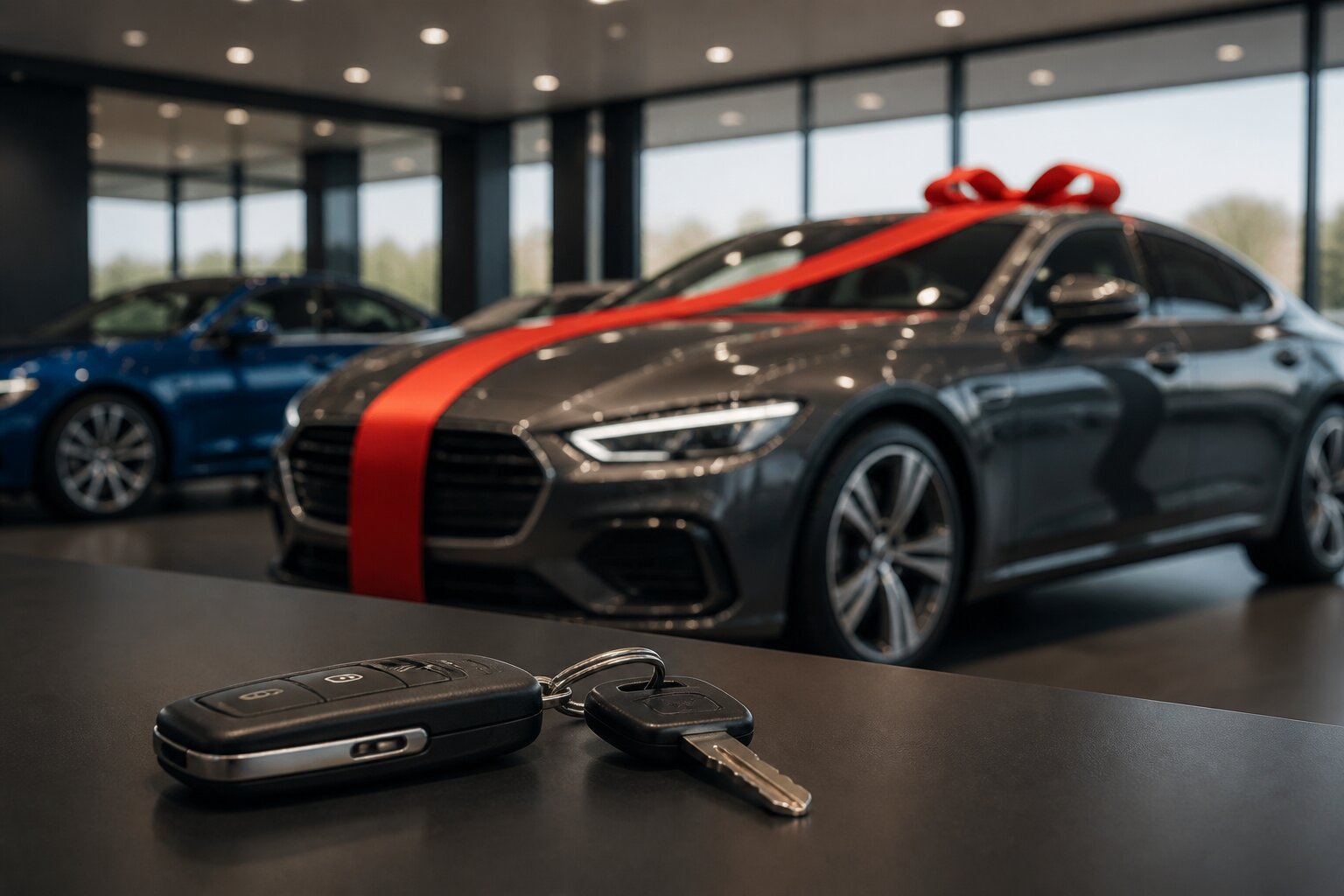
Ever wondered if that £2 ticket into a competition to win a shiny new super‑car is actually worth it or just empty promises? You're not alone. With dozens of legitimate UK raffles running at any time, the chances of winning can vary widely depending on how the organiser sets ticket prices and limits entries.
Imagine this: two competitions offer the same dream ride, but one sells 10,000 tickets at £1 each, and the other only 2,000 at £5. Which gives you a better shot? The real trick lies in the maths and the fine print. Let’s start by looking at how competition providers stack up in terms of fairness and transparency, because behind every flashy prize is a world of numbers and rules that could make or break your chances.
What Counts As a Legit Car Competition?
A truly legitimate car competition in the UK operates well within the law, offering a free entry route or requiring a genuine element of skill to avoid being classified as an unlicensed lottery. The rules should be clear and easy to find, and draws must be carried out fairly, whether by a proper random computer process or supervised by independent judges. Organisers who sign up to the government’s Voluntary Code of Good Practice demonstrate a commitment to player protection, transparency and responsible play.
Established names such as BOTB (Best of the Best), Dream Car Giveaways, Rev Comps, McKinney Competitions, Elite Competitions and LLF Games meet these standards. They often show live‑streamed draws, published winner galleries, Trustpilot reviews in the thousands, guaranteed draws regardless of ticket sales and ticket prices starting from just a few pence. Those visible practices give players ways to verify that prizes are genuine and draws are fair. Next, we’ll look at how the maths behind these draws determines your actual chance of winning.
How Are Car Competition Odds Calculated?
When you enter a UK car competition, odds are driven by two main factors: the total number of tickets available and how many you buy. That simple ratio shapes your real chance.
For example, in a competition capped at 10,000 tickets, one ticket equals a 1 in 10,000 chance. Buy five tickets and your chance becomes 5 in 10,000, or 1 in 2,000. That is how fixed‑odds raffles work: your chance depends on the total ticket cap and your share of it.
Many draws, however, proceed even if not all tickets are sold. If only 4,000 have sold by draw day, those five tickets now represent 5 in 4,000, or 1 in 800 — considerably better than the headline figure. The percentage sold at closing therefore gives a clearer picture of your actual probability.
Some operators use instant‑win formats with pre‑allocated winning tickets. In a 10,000‑ticket draw with 50 winners, the instant rate is 50 in 10,000, or 1 in 200, and you will know immediately if a ticket is a winner. Understanding these formats and checking how many tickets have sold helps you pick draws that align with your expectations. With that foundation in place, the next section shows how to spot operators who make those mechanics transparent.
How To Spot a Legit Competition Operator
First, check whether the competition offers an Alternative Method of Entry (AMOE) that gives the same chance as a paid ticket. Proper UK competitions publish clear instructions for postal entries or other free routes; BOTB, Dream Car Giveaways and Raffall are examples that outline how to post an entry on a postcard so no purchase is required. If that route is hidden in dense terms or missing entirely, treat it as a red flag.
Second, look for verifiable rules, published winner records and evidence of how draws are conducted. BOTB publishes clear terms and winner galleries and records some draws with independent auditors. Rev Comps provides live updates of winners and an accessible archive of past draws. Where operators show audited draws, winner photos and detailed terms, it is much easier to confirm that prizes are real and draws were carried out as promised.
Use these checks — free entry, clear rules, visible winners and audited or live draws — to separate credible operators from those that are harder to verify. If those items are in place, you can move on to assessing value without needing to question the basics.
Understanding Value Ratio in UK Car Draws
Value ratio compares what an organiser could earn in ticket sales, assuming all entries are taken, with the actual retail value of the prize. It’s a quick way to see whether a draw is priced so entrants collectively pay a lot more than the prize is worth.
For a £30,000 car with tickets at £2 and a cap of 10,000 tickets, the maximum ticket revenue is £20,000. The value ratio is 20,000 divided by 30,000, or about 0.67 — meaning most ticket money comparatively covers the prize itself. By contrast, a similar £30,000 car capped at 40,000 entries would generate £80,000 at the same ticket price, giving a value ratio of about 2.67. In that case, entrants collectively pay more than double the prize’s value, which is a weaker deal.
A lower value ratio does not change your individual probability, but it indicates the draw is priced more fairly relative to the prize. To calculate it quickly, divide total potential revenue (ticket price times cap) by the car’s retail value. That helps you compare offers and spot draws where the organiser’s margin is smaller and the ticket looks more reasonably priced.
The Best UK Competitions Known for Good Odds
If you want draws that tend to give better chances or fairer pricing, a few UK operators regularly stand out for clear ticket caps, transparent odds and competitive value ratios.
There are notable differences in how operators structure their draws and price tickets:
• Rev Comps
Rev Comps runs fixed‑odds draws with clear ticket caps, so your chance equals one in the total number of tickets. A £2.27 ticket for a Bentley might show a 1 in 69,999 shot, while a £19.97 entry for a KTM bike could be limited to 499 tickets. Their median value ratio across car draws sits around 1.90 — generally lower than the market average and a sign of relatively strong value for entrants.
• Dream Car Giveaways
Dream Car Giveaways tends to maintain an average value ratio of roughly 2.41 for car draws, placing it ahead of many peers on pricing fairness while offering clear draw information.
• BOTB (Best of the Best)
BOTB is skill‑based rather than a straight raffle, with very low entry prices often costing only a few pence and an average sell‑through around 56 per cent. Because the format rewards skill, entry cost and the competition format are the factors that influence how favourable it is for players.
How to compare using value ratio
Value ratio lets you compare offers quickly and fairly. Lower values indicate a fairer balance between entrant spend and the prize. Use it alongside ticket cap and the percentage sold information to judge which draws offer the best practical chance for the money you spend. The next section explains how timing your entry can further affect those chances.
When Should You Enter to Maximise Odds?
Timing can affect your effective odds because many competitions are drawn on a fixed date regardless of whether the cap is reached. Early in a draw’s life, ticket sales will usually be low, and in the final hours sales often spike. Entering before that last rush can mean your ticket sits in a smaller pool of sold tickets, improving your effective probability compared with waiting until the final day.
For example, a competition capped at 10,000 tickets where only 2,000 have sold a week before close gives a single ticket a 1 in 2,000 chance. If 6,000 are sold on the final day, that same ticket’s chance falls to 1 in 6,000. Data from ticket tracking sites shows sales typically surge in the final 24 hours, so entering earlier can be a practical way to avoid that peak. Entering a week before closing often gives similar odds to entering at launch but avoids the final rush and sudden increases in competition.
That said, there is no moment that guarantees a win. Use timing as a tactical element to manage odds and stress, not as a strategy that promises a particular result.
The Bottom Line: Work the Odds, Not the Hype
Smart entry into car competitions comes down to understanding the maths, choosing transparent operators and keeping spending sensible. Check for clear rules and a free‑entry route, compare value ratios and ticket caps, and be mindful of how many tickets have already sold before you enter. Timing can improve the practical odds you face, but the result is always determined by the draw process itself rather than any expectation of a particular outcome.
Use the tools above to make informed choices and enter competitions only when it is affordable and enjoyable for you. Prize draws are a form of entertainment and should be treated as such, with decisions guided by facts about odds and pricing rather than hype. If you want help comparing current draws, you can use our comparison tools to see value ratios, caps and sell‑through figures at a glance.
**The information provided in this blog is intended for educational purposes and should not be construed as betting advice or a guarantee of success. Always gamble responsibly.